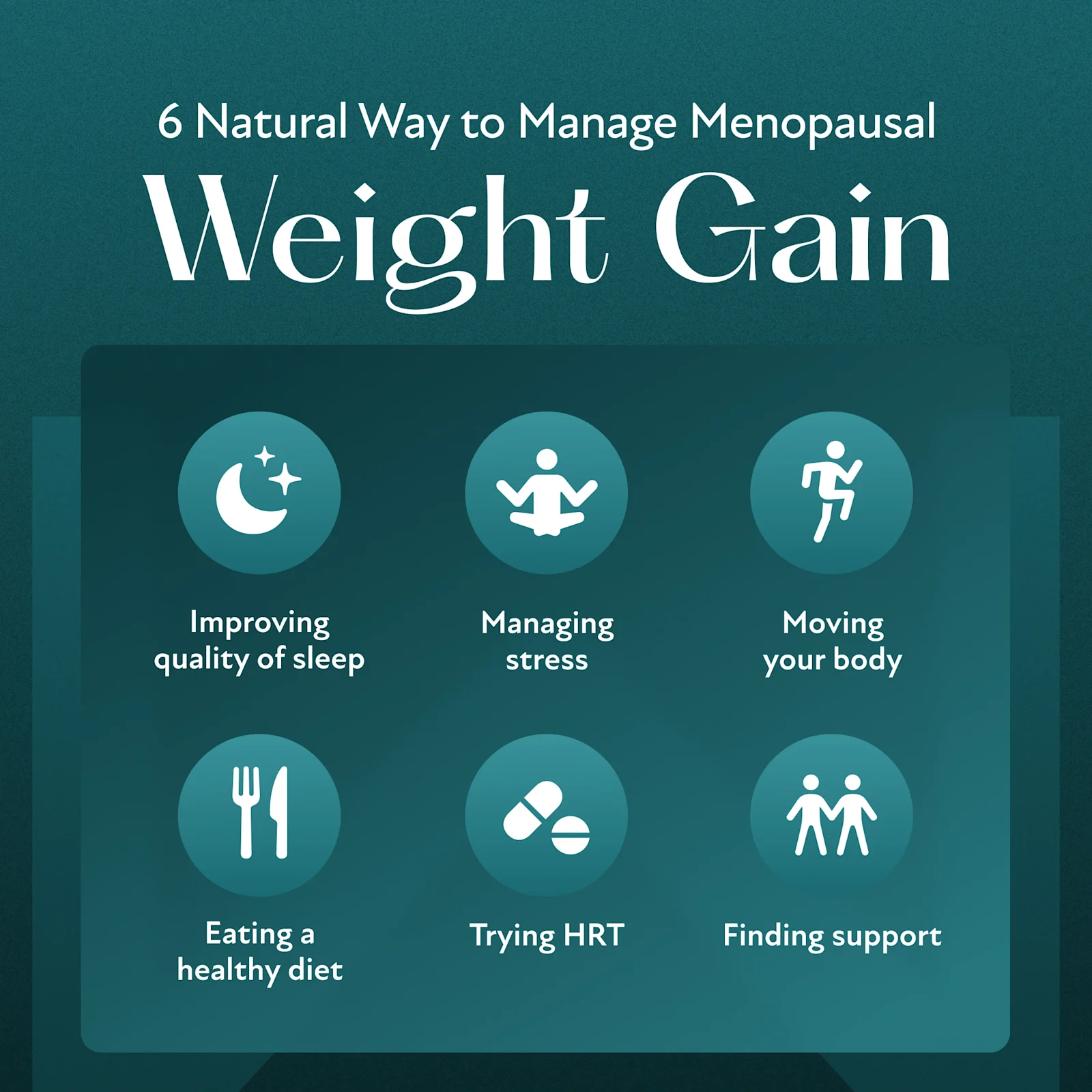
Hormonal weight gain is common during the menopause transition, but it can be managed with natural strategies that help reduce the risk of future health problems. These strategies include making informed food choices, engaging in targeted exercise, and practicing effective stress and sleep management techniques.
Lifestyle modifications can help offset metabolic changes caused by hormonal shifts during the menopause transition that can contribute to weight gain. These changes include loss of muscle mass, reduced insulin sensitivity, and shifts in fat distribution from the hips to the midsection.
Maintaining a diet rich in protein and fiber, lifting weights, and practicing stress-reduction techniques to help regulate cortisol levels are specific strategies that work with women’s changing physiology during the menopause transition, while strategies like food restriction often work against it.
Hormone replacement therapy (HRT) is not a weight-loss medication. However, it may help reduce the amount of weight gained during menopause. Some women have concerns that HRT may add to menopausal weight gain, but research shows it’s not typically a cause of significant weight gain.
Doctors typically recommend a holistic approach to menopausal weight management that includes lifestyle changes and medical treatment when appropriate.
A Practical Guide to Naturally Managing Menopause Weight Gain
 Erin Marie McCluskey
 Dr. Cathleen M. Brown, DO
The Bottom Line:
The mid-40s are a time when shifts in estrogen levels cause significant changes in the body’s metabolism, posing new challenges for women trying to manage or maintain their body weight. Research shows that at least 50% of women experience weight gain during the menopause transition, making weight management a common goal for many women during this phase of life.(1)
Hormonal changes are the root cause of weight gain during perimenopause and menopause, but medical treatments aren’t the only solution. Changes in body weight can also be managed through a holistic, three-pillar approach using natural strategies:
Targeted nutrition changes
Strategic exercise routines
Effective sleep and stress management techniques
Consider this article your personal, detailed guide full of actionable steps you can start implementing today to feel stronger, healthier, and more confident in your body.
Pillar 1: Adopt a Menopause-Specific Nutrition Strategy
Menopause weight management isn’t about eating fewer calories or following potentially harmful, restrictive diets. It involves making thoughtful nutrition choices that support women’s changing bodies during the menopause transition. If you’re not sure where to start, the following dietary strategies can serve as a roadmap.
Prioritize Protein Every Day
Protein is one of the most important nutrients to prioritize during the menopause transition. It plays two key roles in weight management: promoting satiety and maintaining muscle mass.
Out of all the macronutrients, research shows that protein is the most effective at promoting feelings of fullness after eating.(2) It’s also essential for building muscle. This is important because muscle mass enhances metabolism, which is the body’s process of converting food into energy.
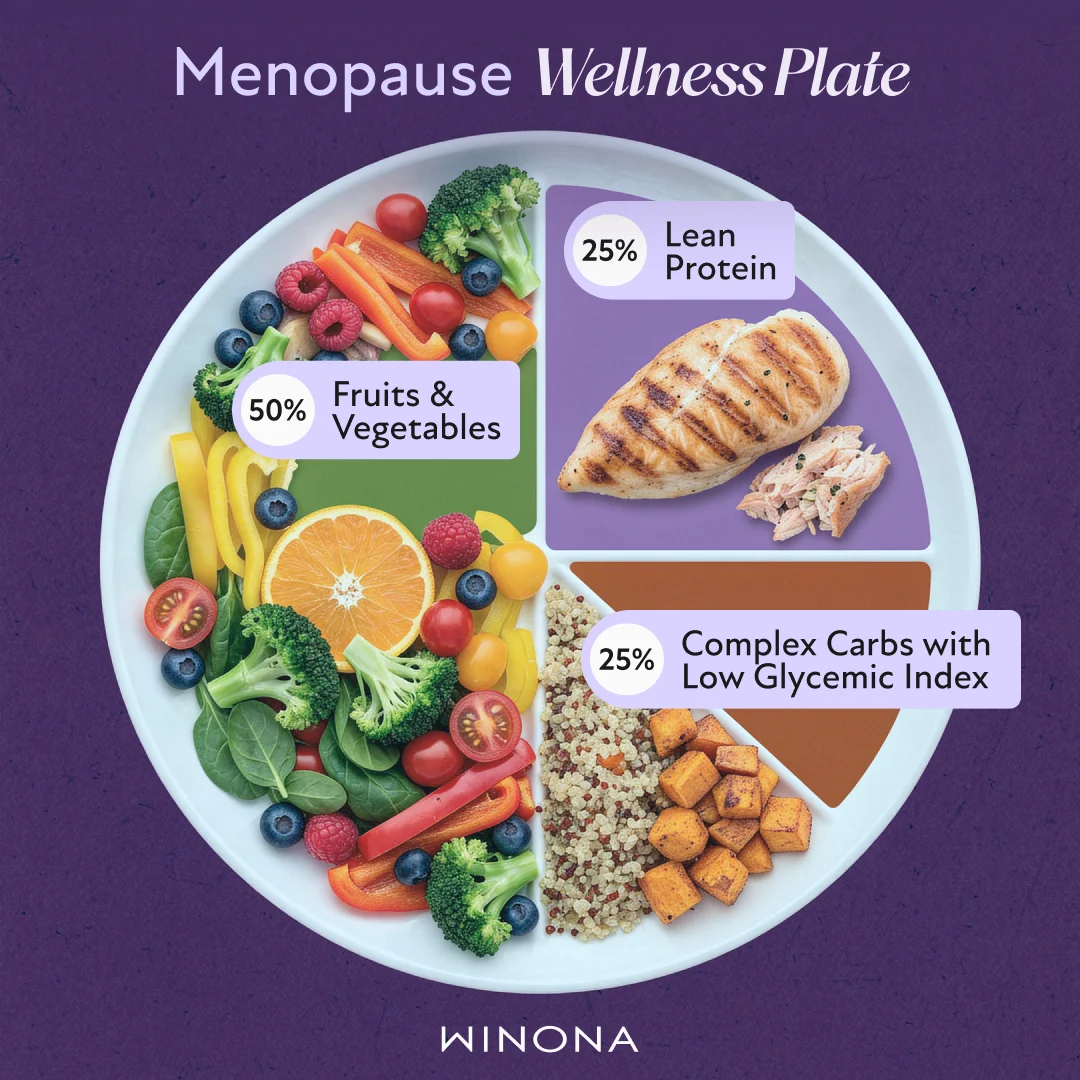
However, many postmenopausal women aren’t getting enough protein. Eating adequate amounts of the macronutrient every day may help regulate food intake, boost metabolism, and support weight management efforts. The British Menopause Society recommends that protein make up one-quarter of your meal plate.(1)
Excellent Sources of Protein
The greater the variety of dietary protein sources, the better. The following animal- and plant-based foods are rich sources of protein.(3)(4)
Animal Protein Sources
Lean or low-fat meats (such as 93% lean ground beef or pork)
Skinless chicken breast
Salmon
Anchovies
Trout
Mackerel
Sardines
Bluefin tuna
Black cod
Plant Protein Sources
Beans (garbanzo, pinto, soybeans, etc.)
Lentils
Peas
Nuts
Seeds
Fill up on Fiber-Rich Foods
Like protein, fiber also helps boost metabolism and enhances feelings of fullness. It also helps keep blood sugar levels stable, which is important for the prevention of metabolic disorders and excess fat storage.
It takes time for the body to adjust to increased fiber intake, so the first step is to slowly introduce more fiber-packed foods into your diet. Eating too much (more than 50 grams daily) can cause bloating and possible digestive issues. Gradually increasing one’s intake over time can help avoid these gastrointestinal side effects.(5)
Fiber can be found in many types of fruits and vegetables. It’s recommended that fruits and vegetables make up one-half of your meal plate.(1)
Rich Sources of Fiber
The following foods contain high amounts of fiber:(6)
Apples
Pears
Berries
Sweet potatoes
Brussels sprouts
Broccoli
Spinach
Lentils
Chickpeas
Beans
Chia seeds
Whole grains
Incorporate Foods with Phytoestrogens
Phytoestrogens are plant compounds that have mild estrogen-like effects.(7) Estrogen directly influences metabolism and where the body distributes fat. Therefore, eating foods containing phytoestrogens may provide small benefits in managing weight gain caused by dips in estrogen levels during the menopause transition.
However, research findings on the effects of phytoestrogens on body weight and body composition in postmenopausal women are inconsistent. Additionally, most studies also involve phytoestrogen supplements rather than food sources.
While some studies have found no effect of phytoestrogens on body weight, they may still support metabolic health in other ways. This includes suppressing appetite and regulating fat tissue. These effects may help with menopause weight management.(8)(9)It’s important to note that high intake of phytoestrogens may pose health risks for women with a history of estrogen-sensitive cancers. Women should consult with their physician before increasing consumption.
Sources of Dietary Phytoestrogens
Phytoestrogens can be found in the following foods:(8)(9)
Soybeans
Legumes
Vegetables (garlic, celery, carrots)
Fruits (apples, pomegranates, chaste berries)
Potatoes
Whole grains
Flaxseed
Coffee
Limit Sugar and Refined Carbohydrates
Eating excess amounts of added sugar and refined carbohydrates causes the body to lose sensitivity to insulin, which is essential for regulating blood sugar levels. When insulin sensitivity decreases, this causes an increase in fat mass around the midsection.(10)
Avoiding or minimizing intake of the following foods can help in managing weight gain during the menopause transition:
Soft drinks
Fruit juices
Sweets (pastries, ice cream, candy)
Sugary cereals
White bread, pasta, and rice
Pizza dough
However, the body needs carbohydrates to convert into energy, so they shouldn’t be avoided altogether. It's recommended that carbohydrates account for one-quarter of your meal plate — ideally, complex carbohydrates with a low glycemic index.(1) These types of carbohydrates are digested more slowly by the body, which prevents blood sugar spikes and promotes feelings of fullness.
Sources of Complex Carbohydrates with a Low Glycemic Index
The following foods have a low glycemic index and can support daily carbohydrate needs:(1)
Whole grain, multigrain, seeded, or rye bread
Basmati rice
Whole-wheat pasta
Sweet potatoes
Yams
Oat-based cereals
Legumes
Leafy greens
Pillar 2: Rebuild Your Metabolism with Strategic Exercise
As women’s metabolism changes during the menopause transition, the body becomes less efficient at burning calories. However, more exercise isn’t necessarily the answer. Engaging in strategic types of exercise that help offset these menopause-related changes is often a more effective approach.
The following forms of exercise can help enhance metabolism during the menopause transition:
Strength training
High-intensity interval training (HIIT)
Low-impact cardio
It’s important to consult with your doctor before starting any new exercise routine, particularly if you have health conditions such as high blood pressure or osteoporosis.
Make Strength Training Your Top Priority
Strength training is the most important type of exercise to incorporate during the menopause transition. It helps the body maintain muscle mass, which rapidly declines during this phase.
Muscle mass is a key factor in determining how many calories your body burns at rest, also known as your resting metabolic rate (RMR). More specifically, this refers to the number of calories your body needs to burn to maintain essential functions like breathing, digestion, and circulation.
It’s logical to think that most of our energy is expended during physical activity, but the body actually burns most of its daily calories at rest. In fact, resting calories make up approximately 60% to 70% of total calories burned within a 24-hour period.(11)
Research shows that strength training can help increase RMR and reduce body fat percentage in postmenopausal women by building and maintaining lean muscle mass.(12)According to the Physical Activity Guidelines for Americans, adults need two or more days of muscle-strengthening exercise each week.(13) Consider working the following strength-training activities into your weekly exercise plan:
Lifting Weights: It’s important to start with lighter weights and progressively add more to prevent injury. A good starting point is handheld weights that are just heavy enough to perform four to eight reps while maintaining proper form.
Stair Climbing: Strength training isn’t limited to dumbbells or free weights. Exercises that use body weight are also highly effective. Stair climbing, for example, has been shown to increase leg strength among postmenopausal women.(14)
Mini-Squats: Stand with your feet positioned hip-width apart and hold the back of a chair for support if needed. Keeping your back straight, slightly bend the knees as if you were beginning to lower yourself into a chair. Only go as far down as you can comfortably go. Slowly stand back up while squeezing the glutes, then release. Aim for five repetitions.
Add High-Intensity Interval Training (HIIT)
High-intensity interval training (HIIT) involves brief spurts of vigorous physical activity followed by short periods of rest. Findings from a study published in Medicine and Science in Sports and Exercise suggest that HIIT, with or without added strength training, can help reduce body weight and whole-body fat mass in postmenopausal women with overweight or obesity, particularly around the midsection.(15)
The following exercises can be incorporated into a HIIT workout routine:
Cycling
Running
Jumping jacks
Squats
Try different intervals to find what works best for you:(16)
8 seconds of high effort, 12 seconds of active rest
1 minute of high effort, 2 minutes of recovery
4 minutes of high effort, 3 minutes of recovery
Maintain Consistent Low-Impact Cardio Exercise
Unlike high-effort HIIT, low-impact cardio involves moderate effort and sustained movement rather than short bursts of physical activity. This form of exercise can help expend energy and support women’s health overall.
Experts recommend that adults get at least 2.5 hours of moderate-intensity aerobic exercise every week.(13) The following low-impact cardio exercises can be mixed and matched throughout the week to help meet that goal:
Walking
Stair stepping
Dancing
Water aerobics
Gardening
Cycling under 10 miles per hour (mph)
Pillar 3: Master the Lifestyle Factors: Sleep and Stress
Diet and exercise can only go so far if sleep and stress are left unmanaged during the menopause transition.
Night sweats, hot flashes, and mood changes can create a cycle of restless nights and daytime fatigue. These sleep disruptions cause changes in hormone levels that impact hunger and satiety. A lack of sleep also disrupts metabolism and increases the risk of insulin resistance. These factors can all contribute to weight gain during the menopause transition.(17)
Additionally, stress prompts the body to release cortisol (the stress hormone). Elevated cortisol levels have been associated with increased abdominal fat.(18)
While sleep disturbances and increased stress levels are common during this phase of life, there are many strategies that can help women manage these lifestyle factors to reduce menopause weight gain.
Actionable Steps for Better Sleep
Use the following step-by-step “sleep hygiene” routine to enhance sleep quality during the menopause transition:
Lower the thermostat at night.
Start winding down screen time in the hours before bedtime.
Wear breathable pajamas.
Keep a glass of water by your bedside.
Create a soothing environment by keeping the bedroom dark and cool, using a fan or cooling sheets.
Stick to a consistent bedtime as much as possible.
Limit napping, caffeine, and exercise to the first half of the day.
Simple Techniques to Lower Cortisol
Relaxation techniques help regulate the body’s stress response. The following simple stress management strategies can help regulate cortisol levels, which may reduce abdominal fat over time:(18)(19)
Mindfulness practices
Meditation
Breathing exercises
Body awareness exercises
Progressive muscle relaxation (PMR)
Yoga
Nature walks
A Realistic Look at Supplements for Menopause Weight Gain
When combined with a healthy diet and regular exercise, supplements may support menopause weight management efforts. However, they are not a guaranteed weight management solution, and research on their direct impact on menopause weight loss is limited.
Most studies focus on their metabolic effects, which may subsequently support menopause weight management. However, more research is needed to determine their effectiveness, side effects, and potential health risks.
Most of the existing research focuses on phytoestrogens. Some types of phytoestrogens bind to estrogen receptors. Others have been shown to increase fat breakdown or suppress the formation of fat cells and fat storage.(7)The following supplements may support women’s metabolic health due to their phytoestrogen content:(7)
Soy
Red clover
Basil-clove
It’s always best to consult with a doctor healthcare provider before trying any new medications or supplements. A doctor can determine whether supplementation is appropriate for your individual needs.
Combining Natural Strategies with Medical Treatment
Some women may find that natural strategies help them effectively reach their weight management goals. For others, combining these strategies with treatments for menopause symptoms, like hormone therapy (HT), may enhance results by addressing the role hormones play in body weight changes during this phase of life.
While diet, exercise, and other healthy habits are key pillars of weight management, maintaining them on a daily basis can be challenging. If you suspect that weight gain may be related to perimenopause or menopause, take Winona’s health quiz to see if hormonal fluctuations may be a contributing factor. If so, HT can provide added support to help you reach your unique health goals.
Frequently Asked Questions (FAQs) About Menopausal Weight Loss
Strategies that promise rapid weight loss can be unsafe. Instead, the most effective way to manage menopause weight gain is a three-pillar approach that includes informed food choices, strategic exercise, and techniques for managing sleep and stress — factors that can contribute to weight gain during this phase of life.
Eating a diet rich in protein, building muscle through strength training, burning calories with aerobic exercise, and getting plenty of sleep are all strategies that can help reduce whole-body fat, including belly fat.
Limiting excess sugar, refined carbohydrates, and alcohol can help manage menopause weight gain.
Calorie needs vary based on sex, age, height, weight, physical activity level, and other factors. Women’s daily calorie needs generally decrease as they move from their 40s into their 50s. Adjusting energy intake later in life can help in maintaining a healthy weight.
It’s important to consult with a doctor, who can determine a safe and appropriate caloric intake for weight management based on individual health needs.
When combined with healthy habits, supplements may support weight management efforts. However, they are not a guaranteed solution on their own. Supplements that contain phytoestrogens such as soy, red clover, or basil-clove may support overall metabolic health, which may help in managing menopause weight gain. That said, more research is needed regarding their safety and efficacy.
Hormone therapy (HT) is not a weight loss medication. However, it may help limit fat gain during the menopause transition. The treatment involves supplementing low estrogen levels. When estrogen levels are low, metabolism slows down, muscle mass decreases, and abdominal fat increases. Replenishing estrogen levels with HT can support overall metabolic health, which may help minimize fat gain.
This article is for informational purposes only and does not constitute medical advice. The information contained herein is not a substitute for professional medical advice. Always talk to your doctor about the risks and benefits of any treatment.
References
Revisiting the role of protein-induced satiation and satiety
The Importance of Nutrition in Menopause and Perimenopause—A Review
Medicinal plants for the treatment and prevention of post-menopausal obesity: a review
Top 10 Things to Know About the Second Edition of the Physical Activity Guidelines for Americans
Climb stairs to lower blood pressure and strengthen leg muscles