Key Takeaways
Mood swings during perimenopause often get blamed on everything but hormones
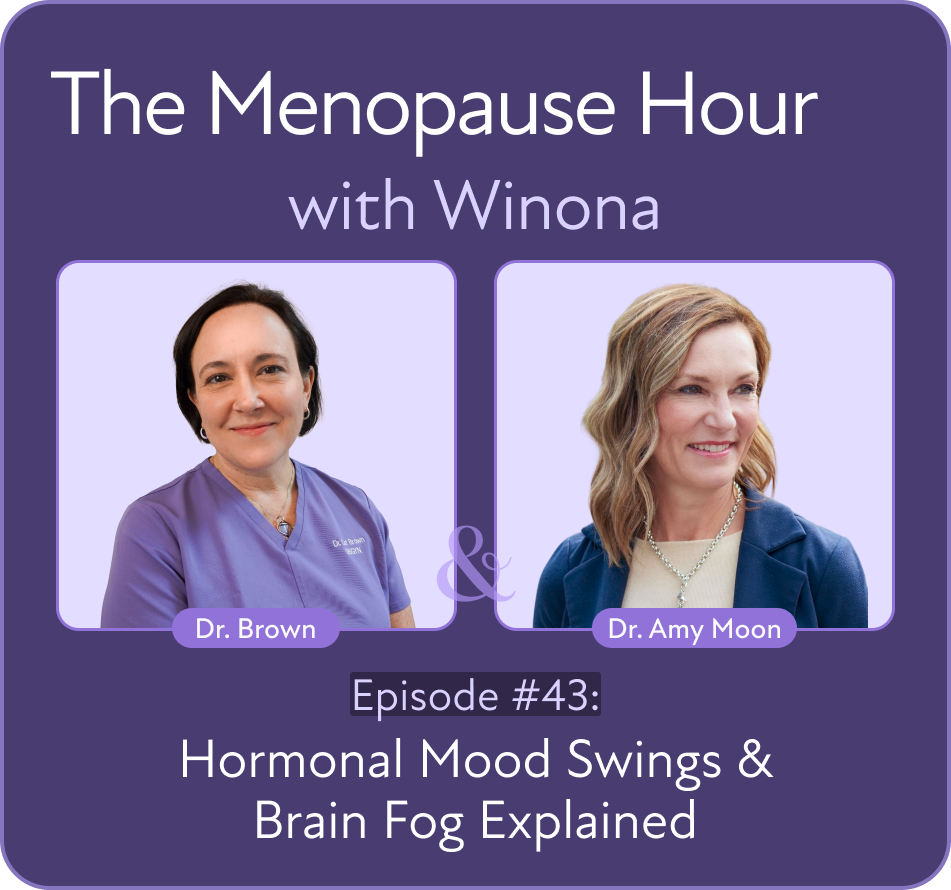
Many women attribute mood changes to stress, work, or family life, but Dr. Brown and Dr. Moon explained that hormonal fluctuations make it harder to manage everyday stress rather than simply adding a new symptom on top of it. Standard antidepressants can ease some symptoms, but they don't address the hormonal root cause.
Brain fog is frequently misdiagnosed as ADHD
Dr. Moon described seeing many patients placed on ADHD stimulant medications when their sudden trouble focusing was actually tied to hormonal changes. She and Dr. Brown cautioned that stimulants can also worsen blood pressure, anxiety, and sleep problems in these patients.
Cortisol and poor sleep drive much of the weight gain and mood disruption in perimenopause
Dr. Brown explained that disrupted sleep from hormonal changes raises cortisol levels, which contributes to fat storage around the abdomen and makes mood harder to regulate. She and Dr. Moon said improving sleep and hormone balance together tends to produce better results than addressing either one alone.
Testosterone plays an underexplored role in mood, not just libido
Dr. Moon noted that more research is needed on testosterone's effect on mood during perimenopause specifically, since most current data focuses on libido and postmenopausal use. Both doctors said they've seen mood improve in patients using testosterone therapy, and Winona offers DHEA as a testosterone-support option on its platform.
Pairing GLP-1 medications with hormone therapy can improve weight loss results
Dr. Brown said research increasingly shows women on both HRT and a GLP-1 medication see better weight loss outcomes than those on a GLP-1 alone. Dr. Moon added that GLP-1 medications also appear to ease hot flashes and night sweats in her practice, though symptoms can return if a patient stops taking one.