Night sweats are disruptive episodes of extreme sweating during sleep that can leave women exhausted the next day.
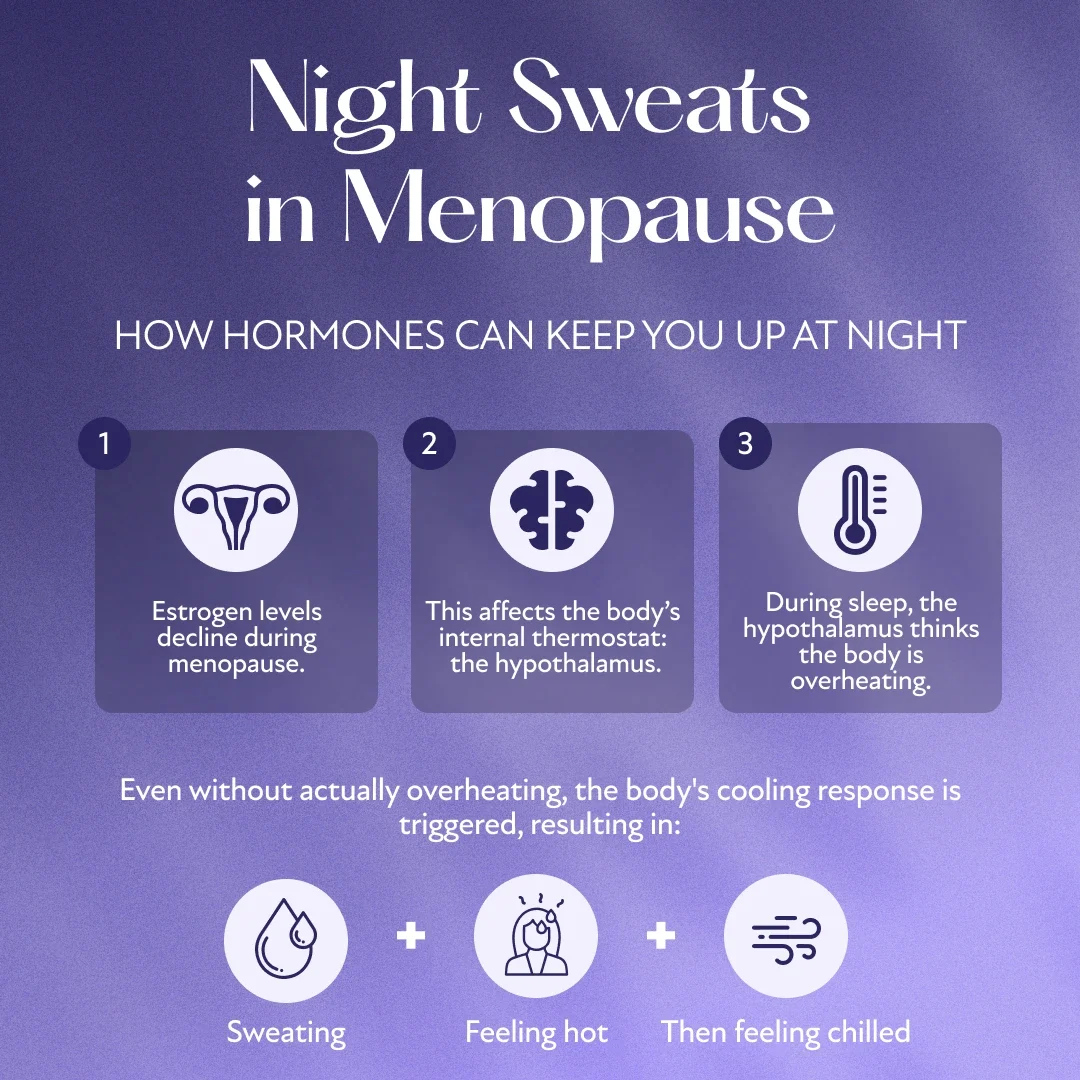
Night sweats are a type of vasomotor symptom related to changing estrogen levels during the menopause transition that alter how the body regulates temperature.
In addition to night sweats, insomnia, anxiety, and heart palpitations are also recognized symptoms of menopause that can disrupt sleep, making it hard to determine the cause of daytime grogginess.
It’s a common misconception that hot flashes and night sweats are the same. Hot flashes involve a sudden rush of heat that typically happens during the day and may or may not involve sweating. Night sweats happen exclusively at night and involve excessive sweating that can leave women feeling drenched and cold.
Hormone replacement therapy (HRT) is proven to be the most effective treatment for vasomotor symptoms. A combination of short-term relief strategies and long-term lifestyle changes may also be recommended to help reduce night sweats.
Menopause Night Sweats: Overview of Causes and Management
 Erin Marie McCluskey
 Dr. Saranne Perman, MD
The Bottom Line:
Barely making it through the day because night sweats are stealing away hours of sleep? Night sweats are a type of vasomotor symptom characterized by excessive nighttime sweating.
Night sweats are caused by changes in estrogen levels during the menopausal transition. Along with being one of the most common symptoms of menopause, many women find night sweats to be among the most unbearable. With a combination of quick-relief strategies, lifestyle changes, and medical treatments like hormone replacement therapy (HRT), women can get back those lost hours of sleep.
This article will cover the cause of menopausal night sweats, immediate coping strategies, and long-term treatment options so women don’t have to live with ongoing sleep disruptions night after night.
Why do night sweats happen during menopause?
Experts don’t know the exact cause of vasomotor symptoms (hot flashes and night sweats). However, it’s believed that night sweats happen during the menopausal transition because of fluctuating estrogen levels that affect body temperature regulation.(1)
The body maintains a stable core body temperature by sweating to cool down or by shivering to warm up. These responses are triggered when core body temperature rises above the upper limit or falls below the lower limit of what’s called the thermoneutral zone. This zone is the range of temperatures where the body can maintain a stable core temperature by regulating blood flow to the skin.(2)
A brain region called the hypothalamus acts as the body’s internal thermostat, making it responsible for these thermoregulatory responses. As estrogen levels shift, communication between the hypothalamus and the body becomes overactivated.(3)(4) Low estrogen levels also impact serotonin and norepinephrine activity in the hypothalamus. Both of these brain chemicals play a role in temperature regulation, potentially contributing to night sweats.(1)(5)
These hormonal changes also cause the thermoneutral zone to go from a wider temperature range to a narrower one. As a result, even small increases in core body temperature can trigger sweating. Together, the increased sensitivity of the hypothalamus and narrowing of the thermoneutral zone make night sweats a common experience for many women in this stage of life.(2)(5)
While the underlying mechanisms of vasomotor symptoms may be complex, relief is possible with a combination of approaches.
Different Approaches to Manage Night Sweats
Relief from night sweats can be achieved with a holistic approach that involves both short-term and long-term solutions. The following methods build on one another, starting with preventive habits and expanding to medical treatment options if necessary.
Immediate Relief for a Cooler Night's Sleep
The right bedroom environment can help promote sleep, particularly during the menopausal transition. Making small changes to one’s bedtime routine may help some women sleep more soundly throughout the night.
Consider making the following adjustments before climbing into bed tonight:(7)
Prepare the bedroom: Turn down the thermostat, turn on a ceiling fan, or keep a small fan on the bedside table. Unplugging electronics, which can give off heat, can also be beneficial.
Keep the body cool: Taking a shower before bed or keeping a misting spray bottle on hand can help the body stay cool throughout the night.
Wear breathable pajamas: Opt for pajamas made from breathable fabrics like cotton, linen, silk, or bamboo. Avoid those made from polyester or nylon.
Choose the right bedding: Use cooling sheets and cooling gel pillows. Flipping the pillows over during the night to keep the coolest side against the face can also help.
Stay hydrated: Keep a tumbler or water bottle nearby for hydration in the middle of the night.
Cover the windows: During the hotter months of the year, use window coverings during the day to prevent the bedroom from becoming too hot. Blinds, insulated cellular shades, or medium-colored drapes with white plastic backings are some of the best options.(8)
Lifestyle Changes to Reduce Frequency and Severity of Night Sweats
Studies have produced conflicting results, but certain lifestyle changes may help reduce the intensity of night sweats. Some women may also experience fewer episodes throughout the week.
According to the National Health Service (NHS), the following health habits may help prevent night sweats and improve women’s health overall:(7)
Avoiding Triggers: It’s recommended to avoid foods and drinks that may trigger vasomotor symptoms, such as spicy foods, hot beverages, alcohol, and caffeine.
Practicing Healthy Habits: Drinking plenty of water throughout the day and avoiding or quitting smoking can help alleviate hot flashes and night sweats.
Eating a Healthy Diet: Fruits, vegetables, and whole grains have been shown to reduce night sweats, while foods high in fat and sugar may make them more likely to occur.(9)
Maintaining a Healthy Weight: Obesity and being overweight may increase the risk of night sweats. Regular exercise can help in maintaining a healthy weight and managing night sweats.
Practicing Stress Management Techniques: Mindfulness meditation, deep breathing exercises, and yoga can help manage stress levels and reduce vasomotor symptoms.(10)
Using Certain Dietary Supplements: Black cohosh, red clover, soy protein, or soy isoflavone supplements are purported to improve hot flashes and night sweats. However, evidence to support these claims is inconsistent. It’s critical to consult with a doctor before using any supplements, as they can cause side effects and interact with other drugs.(11)
Medical Treatments for Lasting Relief
Medical treatments are the most effective approach for moderate to severe vasomotor symptoms. A doctor may recommend prescription medications or certain complementary treatments that women may find additionally beneficial.
The following treatments may be used to reduce night sweats:(3)(12)
Hormone Replacement Therapy (HRT): The Menopause Society recognizes HRT as the most effective treatment for menopausal vasomotor symptoms. HRT doesn’t just mask symptoms; it gets to the source of the problem by replenishing low hormone levels. Treatment has been shown to reduce weekly hot flashes and night sweats by 75%.(12) Oral estrogen tablets, progesterone capsules, transdermal patches, body creams, and localized vaginal treatments are all available options that can be tailored to each woman's unique health needs.
Antidepressant Medications: Antidepressants are a non-hormonal treatment option that may be mildly to moderately effective for menopausal night sweats. Research demonstrates that improvement rates in the severity and frequency of vasomotor symptoms range from 27% to 61% with antidepressant treatment.(3)
Gabapentinoids: These FDA-approved antiepileptic medications have been shown to reduce the intensity of vasomotor symptoms. For women struggling with sleep due to night sweats, gabapentin may be particularly beneficial when taken before bed, as drowsiness is a known side effect.
Fezolinetant: Fezolinetant is the only non-hormonal therapy that’s FDA-approved for vasomotor symptoms. It works by blocking chemical messengers in the brain that prompt hot flashes and night sweats. It’s a good alternative for women who are not candidates for HRT.
In some cases, the following psychological or complementary treatments may also be recommended:(3)(13)
Cognitive Behavioral Therapy (CBT): CBT is a type of psychotherapy that focuses on changing unhelpful thought patterns and behaviors. A study showed that perimenopausal and postmenopausal women were less bothered by vasomotor symptoms after going through a CBT treatment program that’s focused on coping skills, strategies for managing negative beliefs, and education about how thoughts and feelings influence bodily sensations.
Clinical Hypnosis: Research suggests that women with severe or frequent vasomotor symptoms may benefit from clinical hypnosis, in which the patient is placed into a deep state of relaxation.
Acupuncture: Acupuncture is an alternative treatment used in traditional Chinese medicine. It involves inserting thin needles into the skin to facilitate the flow of energy through the body. Although more studies are needed, some research suggests that acupuncture may help relieve menopausal hot flashes and night sweats compared to no treatment at all.
Ready to experience relief from night sweats?
Fractured sleep and daytime fatigue don’t have to be a part of your menopause journey. Some women may experience significant improvement in night sweats with short-term relief strategies and lifestyle changes. However, if night sweats are still disrupting sleep despite these changes, medical treatment with HRT may be the more effective solution. Connect with a Winona physician today and find out if HRT is the best fit for your needs.
Frequently Asked Questions (FAQs) About Night Sweats
Hot flashes involve a sudden, intense rush of heat that can happen day or night. Some women may also experience sweating, while others may not. Night sweats, on the other hand, occur exclusively during sleep, where women often wake up drenched and cold from excessive sweating.
Vasomotor symptoms, including night sweats, often start during perimenopause, the phase before menopause fully sets in. Night sweats may continue into the postmenopause stage.
Menopausal night sweats last an average of seven years but can last for 15 years or more.
One reason why menopause sweats tend to be worse at night may be related to the body’s sleep-wake cycle. Hormonal changes can disrupt the body’s natural circadian rhythm, which enhances sleep and influences body temperature.
Yes, stress can worsen night sweats because it puts the body into fight-or-flight mode. This prompts an increase in heart rate, blood pressure, and sweating.
Women can manage night sweats during the menopausal transition with short-term relief strategies (wearing breathable pajamas and using cooling sheets) as well as lifestyle changes (avoiding triggers, making dietary modifications, and practicing stress reduction techniques). If night sweats continue to disrupt sleep, a doctor may prescribe HRT or other medications.
Women should see their doctor if menopausal night sweats are affecting their quality of life by causing frequent sleep disruptions or daytime grogginess. It’s also important to consult with a physician to rule out other potential underlying causes, such as gastroesophageal reflux disease (GERD), thyroid disorders, obesity, or mental health conditions. Although less common, more serious conditions like certain cancers or infections can also cause night sweats.
This article is for informational purposes only and does not constitute medical advice. The information contained herein is not a substitute for professional medical advice. Always talk to your doctor about the risks and benefits of any treatment.
References
MENOPAUSAL HOT FLASHES: MECHANISMS, ENDOCRINOLOGY, TREATMENT
The 2023 nonhormone therapy position statement of The North American Menopause Society
Menopause Hot Flashes and Molecular Mechanisms Modulated by Food-Derived Nutrients
Yoga for menopausal symptoms—A systematic review and meta-analysis
The 2022 hormone therapy position statement of The North American Menopause Society
Vasomotor Symptoms During Menopause: A Practical Guide on Current Treatments and Future Perspectives
The circadian variation of sleep and alertness of postmenopausal women
Core body temperature and circadian rhythm of hot flashes in menopausal women