Postmenopausal health spans bones, heart, and brain. Lower estrogen after menopause accelerates bone loss, alters cholesterol balance, and can affect cognitive function, making these systems more sensitive to lifestyle factors than in earlier life.
Nutrition directly supports long-term well-being. Adequate intake of calcium, vitamin D, protein, omega-3s, and other micronutrients helps preserve bone density, muscle mass, cardiovascular health, and overall metabolic function, while addressing hormone-related changes.
Exercise remains a key physiological regulator. Strength training, aerobic activity, and balance exercises maintain bone density, support heart health, and improve stability, helping offset age-related changes in muscle and hormone function.
Persistent symptoms like hot flashes or genitourinary changes reflect ongoing estrogen deficiency. While these symptoms are not inherently harmful, managing them can improve comfort, sleep, and quality of life, highlighting the role of both lifestyle strategies and targeted therapies.
Hormone therapy can complement lifestyle approaches. HRT addresses estrogen deficiency to reduce vasomotor and genitourinary symptoms, preserve bone health, and support long-term well-being, with individual risk-benefit considerations guiding its use.
Life After Menopause: Health, Symptoms & Thriving
 Hailey Kean
 Dr. Saranne Perman, MD
The Bottom Line:
Postmenopause marks the beginning of a new stage in life. While hormonal changes continue to play a role, this chapter is not about loss — it’s about opportunity. With the right approach, postmenopause can be a time to focus on health, energy, and confidence for the decades ahead.
This article explores what to expect, the woman's health issues worth monitoring, and the steps that support long-term well-being.
What Is Postmenopause? A New Chapter Begins
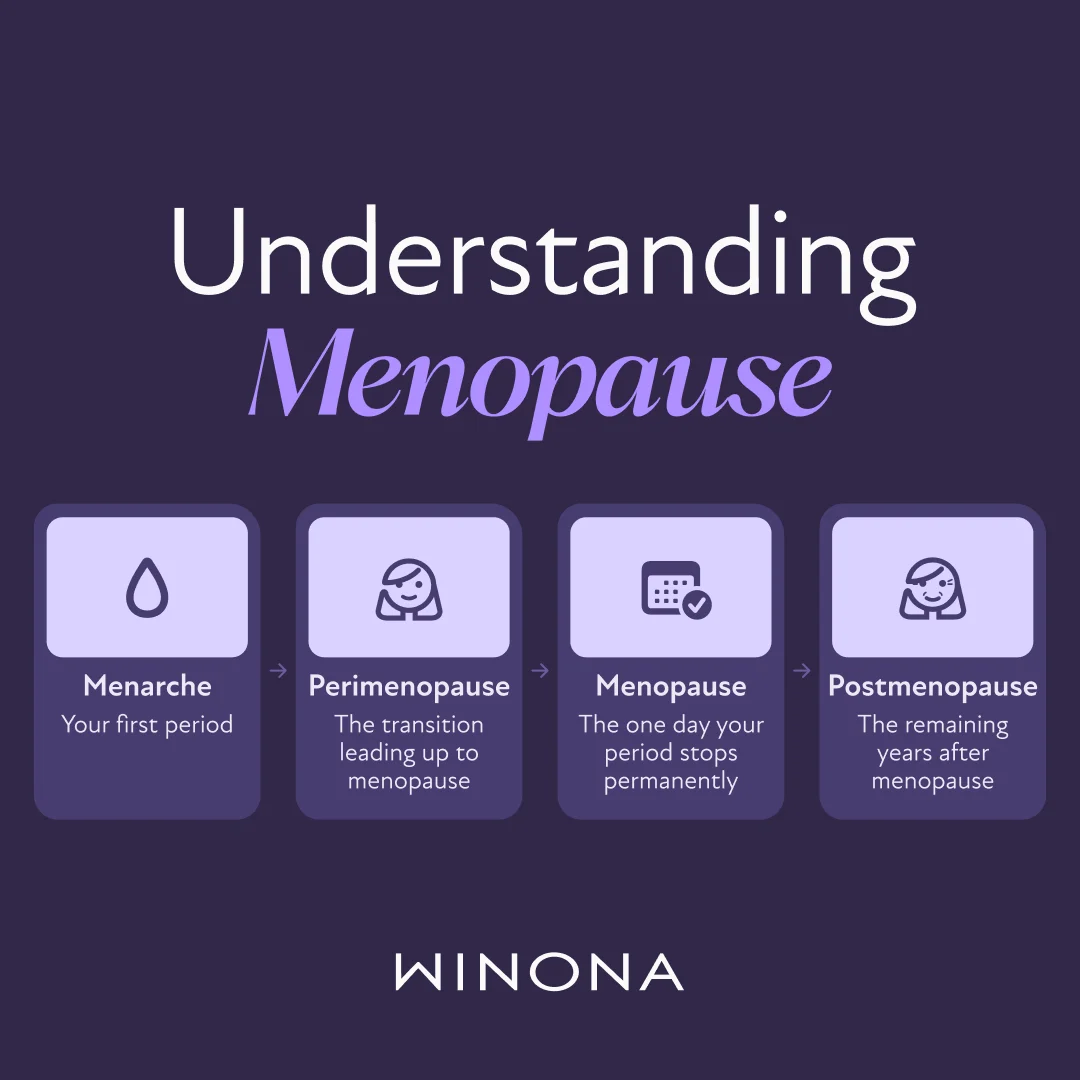
In everyday language, “menopause” has become shorthand for the whole midlife transition. But biologically, menopause is just one day. Think of it like the bookend to menstruation:
Menarche (first period) → The day a woman's period starts for the first time.
Menopause (last period) → The day a woman's period stops permanently.
Everything leading up to menopause is perimenopause, and everything after it is postmenopause.
The Formal Definition
Menopause is confirmed to have happened only after 12 consecutive months without a menstrual period, and when no other medical reason explains the absence. Once that milestone is reached, menopause has officially occurred, and postmenopause begins. On average, this happens around age 51 and lasts for the rest of life.(1)(2)(3)
The Stages Around Menopause
Perimenopause: The transition leading up to menopause. Menstrual cycles become irregular, hormone levels fluctuate, and symptoms like hot flashes or sleep changes may appear.
Menopause: The exact point in time when menstruation ends. This cannot be known in real-time — it’s recognized only after a year has passed with no menstruation.
Postmenopause: This stage encompasses every year after menopause. Estrogen and progesterone levels remain low, and the ovaries no longer release eggs. Some women notice symptoms like hot flashes and night sweats fade over time. The shift also brings new health considerations for the bones, the heart, and urogenital wellness.(1)(2)
The postmenopausal stage is a good time to prioritize preventive healthcare and focus on managing symptoms. Tailored treatments and lifestyle adjustments can enhance well-being and reduce health risks associated with this part of life.

Pillar 1: Proactively Managing Long-Term Health
The National Institute on Aging notes that the years after menopause bring an increased risk of several chronic conditions. Being proactive is the most effective way to stay healthy. In particular, three areas deserve special attention: bones, heart, and brain.
Protecting the Bones: The Fight Against Osteoporosis
Estrogen plays an important role in maintaining bone strength. After menopause, lower estrogen levels accelerate bone loss. On average, women may lose 10%–20% of their bone density in the first few years of postmenopause. This raises the risk of osteoporosis and fractures, particularly in the spine, hips, and wrists.(1)(2)(3)(4)
How to Protect Bone Health
Calcium and Vitamin D: Aim for about 1,200 mg of calcium and 800–1,000 IU of vitamin D per day from diet and supplements, if needed.
Strength Training: Lifting weights or doing bodyweight exercises (like squats, lunges, or push-ups) strengthens both bones and muscles.
Weight-Bearing Exercise: Activities like walking, hiking, or dancing keep bones resilient.
Screening: A bone density scan (DEXA) is often recommended around age 65, or earlier if risk factors are present.
Supporting the Heart: Managing Cardiovascular Risk
Before menopause, estrogen helps protect blood vessels and maintain healthy cholesterol levels. After menopause, this natural protection wanes. As a result, the risk of heart disease increases significantly. Cardiovascular disease is the leading cause of death in women over 50.(1)(2)(3)(6)(7)
Steps to Support Heart Health
Blood Pressure Checks: Keep blood pressure under 120/80 mmHg when possible.
Cholesterol Monitoring: High LDL cholesterol or triglycerides increase cardiovascular risk. Regular screening can help identify issues early.
Exercise: At least 150 minutes of moderate aerobic activity each week (brisk walking, cycling, swimming) promotes heart health.
Diet: Focus on vegetables, fruits, lean proteins, nuts, and omega-3 fatty acids. Limit processed foods and added sugars.
Avoiding Smoking: Smoking is one of the biggest risk factors for heart disease and should be eliminated whenever possible.
Nurturing the Brain: Cognitive Health and Well-Being
Many women notice changes in concentration or memory during and after menopause. While this is normal, long-term brain health deserves attention.(1)(2)(7)
Protective habits for brain health include the following:
Staying Mentally Active: Reading, puzzles, learning new skills, or engaging in creative hobbies challenge the brain.
Exercising Regularly: Regular physical activity improves blood flow to the brain and supports cognitive function.
Sleeping Well: Restorative sleep is essential for memory and mood regulation.
Managing Stress: Mindfulness, breathing exercises, and yoga help lower cortisol levels that can affect the brain.
Pillar 2: Managing Persistent Postmenopausal Symptoms
For many women, the symptoms of low estrogen do not disappear after menopause. Some continue for years or even decades. The good news is that these symptoms are manageable with the right care.
Addressing Genitourinary Syndrome of Menopause (GSM)
GSM is the medical term for the group of changes that occur in the vaginal and urinary tissues due to low estrogen. It includes the following:(1)(2)(3)(5)
Vaginal dryness
Discomfort or pain during sex
Recurrent urinary tract infections
Urinary urgency or leakage
Changes in orgasm or libido
Unlike hot flashes, GSM doesn’t usually improve on its own. However, it’s highly treatable.
Options for relief include the following:(1)(2)(3)(5)
Vaginal Moisturizers and Lubricants: These can help ease dryness and improve overall comfort.
Low-Dose Vaginal Estrogen Therapies: These can restore local tissue health with minimal absorption into the bloodstream. They are available as creams or insertable tablets.
Pelvic Floor Therapy: This can support bladder control, reduce incontinence, and enhance sexual function.
What to Do If Hot Flashes and Night Sweats Continue
For some women, vasomotor symptoms, like hot flashes and night sweats, continue long after menopause. These symptoms are not harmful in themselves, but they may disrupt sleep, mood, and quality of life.(1)(2)(3)(7)
Options for relief include the following:
Hormone Replacement Therapy (HRT): Clinically, this is the most effective treatment for persistent hot flashes.
Nonhormonal Medications: Certain antidepressants or gabapentin may help.
Lifestyle Strategies: These can include keeping the bedroom cool, dressing in natural fabrics and breathable layers, reducing caffeine and alcohol, and practicing relaxation techniques.
Optimizing Sleep and Energy Levels
Sleep disturbances are common in postmenopause. They may be related to hot flashes, mood changes, or age-related shifts in sleep patterns. Regardless of their cause, good sleep remains important at every age. Being aware of and adjusting sleep habits can help ease troubled sleep patterns.(1)(2)(3)(5)
Strategies for better sleep may include the following:
Limiting screen use before bed (TV, computer, phones, tablets)
Avoiding heavy meals, sugar, caffeine, and alcohol at night
Creating a cool, dark, and quiet sleep environment
Aiming for a consistent bedtime and wake-up time — routine is key for optimal sleep.
Talking with a healthcare provider if insomnia persists — sometimes sleep apnea or other conditions need evaluation.
Pillar 3: Thriving with a Postmenopausal Lifestyle
Postmenopause is not just about managing risks — it’s about thriving. Lifestyle choices in this stage can make a remarkable difference in how women feel day to day and how healthy they remain in the decades ahead.
Nutrition for Women in Their 50s, 60s, and Beyond
Nutrition is very important postmenopause. It directly supports bone, heart, and brain health. Vitamin supplements can also play a key role in addressing health concerns during postmenopause, particularly those related to bone and cardiovascular health. Below are several commonly recommended options.(1)(2)(4)(6)(7)
The following are the key nutrients and foods to focus on:
Multivitamin: Supports overall health by filling nutritional gaps. Examples: daily multivitamin supplements
Vitamin B: Aids hormonal health and energy metabolism, helping manage menopause-related concerns. Examples: whole grains, eggs, legumes, leafy greens
Calcium and Vitamin D: Strengthen bones and reduce fracture risk. Examples: dairy products, fortified foods, leafy greens, supplements
Magnesium: Promotes muscle and nerve function and works with calcium to support bone health. Examples: nuts, seeds, legumes, whole grains
Protein: Preserves muscle mass and supports tissue repair. Examples: lean meats, fish, beans, tofu, eggs, whey
Omega-3s: Support heart health and help reduce inflammation. Examples: fatty fish (salmon, sardines), flaxseeds, walnuts
Fiber: Improves digestion and supports heart health. Examples: whole grains, fruits, vegetables, legumes
Isoflavones (Phytoestrogens): Mimic some estrogen effects and may ease mild vasomotor symptoms. Examples: soy, chickpeas, lentils, flaxseeds
Probiotics: Maintain gut and vaginal microbiome balance for digestive and urogenital health. Examples: yogurt, kefir, sauerkraut, kimchi
Hydration: Supports energy, digestion, and bladder health. Examples: water, herbal teas, water-rich fruits, and vegetables
Women should always consult a healthcare provider before starting any supplements to ensure they are safe and appropriate for their health profile.
The Best Exercise for Postmenopausal Health
The right exercise program can reduce the risk of disease, strengthen bones, improve mood, and support a healthy weight.
These are the top three forms of exercise recommended for postmenopausal women:(1)(3)(5)
Strength Training: This helps build muscle and increase bone density.
Balance Training: Yoga, tai chi, or simple balance drills can help prevent falls.
Aerobic Activity: Walking, swimming, biking, or dancing supports heart health.
Focusing on preventive care and making intentional lifestyle choices after menopause can create space for confidence, clarity, and thriving in this new chapter of life.
The Role of HRT
Hormone replacement therapy (HRT) is widely regarded as one of the most effective tools for treating postmenopausal symptoms and reducing certain long-term health risks. While it offers substantial benefits, the decision to start HRT must be carefully considered by each individual and tailored to personal health needs and symptom severity.(1)(2)
HRT offers the following benefits:(1)(2)(3)(5)
Balances hormone levels, particularly by addressing estrogen deficiency
Reduces hot flashes and night sweats
Treats GSM, easing vaginal discomfort and urinary symptoms
Protects bones and lowers the risk of osteoporosis
May lower the risk of colon cancer by nearly 40%
Important Considerations
HRT remains the most valuable tool for improving the quality of life in postmenopausal women when used as directed. Regular evaluations, open communication with a healthcare provider, and personalized care plans help ensure that the benefits outweigh any risks for each individual.(1)(2)(3)(5)
In women with a uterus, using estrogen alone may raise the risk of endometrial hyperplasia and cancer. Adding progesterone reduces this risk.
Mixed research suggests that combined estrogen-progesterone HRT may slightly elevate the risk of breast cancer after three years of consecutive use. However, estrogen-only therapy does not show this risk in women without a uterus.
Research indicates that transdermal HRT carries a lower risk of blood clots compared to other traditional methods of HRT.
Individual Approaches
Personalized care is essential. HRT is typically prescribed at the lowest effective dose for the shortest time needed, with regular check-ins to reassess benefits and risks.
HRT treatments include continuous combined therapy (daily estrogen and progesterone) or cyclical regimens (intermittent progesterone addition). The choice depends on each individual's stage of menopause and health profile. This should be discussed and decided with a doctor.
Postmenopausal Health Checklist: Key Screenings and Focus Areas

Embracing a New Chapter with Confidence
Postmenopause is not only about managing symptoms. Many women report a renewed sense of freedom and self-discovery during this stage of life. Children may be grown, careers more established, retirement on the horizon, and personal priorities shifting toward enjoyment and well-being.
Thriving after menopause starts with proactive care. Women's health at this stage is not about decline — it’s about making the right decisions that support vitality for decades ahead.
Here are practical next steps for postmenopausal health:
Schedule regular checkups and screenings.
Talk with a physician about bone density, heart health, and hormone therapy.
Build a lifestyle around nutrition, exercise, and mental well-being.

Postmenopause is a lifelong stage, and support should not end when periods stop. Partnering with a trusted healthcare provider ensures that health concerns are addressed early and that preventive strategies are in place.

Winona’s physicians work with women in postmenopause to address long-term needs, including determining whether hormone therapy may be part of their care. The health quiz is a simple way to learn more about options and priorities after menopause.
Frequently Asked Questions (FAQ) about Postmenopause
Postmenopause is the stage of life that begins 12 months after the final menstrual period and continues indefinitely. While the intensity of symptoms like hot flashes and night sweats often decreases over time, other effects of low estrogen — such as bone loss or urogenital changes — may persist. Regular healthcare visits and proactive management can help improve quality of life during this phase.
After menopause, estrogen is primarily produced through non-ovarian sources:
Fat tissue contains aromatase enzymes that convert androgens into estrone, the main estrogen after menopause.
The adrenal glands produce androgens, which are naturally converted into estrone, a weaker form of estrogen.
Peripheral conversion happens when skin and muscle also contribute small amounts of estrogen through aromatase activity — converting androgens into estrogens.
Bioidentical HRT supplements the reduced natural hormone levels. These external sources can provide relief from menopausal symptoms and support bone and cardiovascular health when medically indicated.
Many women find that symptoms improve over time, especially as the body adjusts to hormonal changes. Hot flashes and night sweats often become less frequent, and emotional well-being can improve with the right care. Lifestyle adjustments, medical treatments, and support from healthcare providers can make a significant difference in helping women feel their best postmenopause.
Yes, hormone levels stabilize after menopause, but they remain lower than during the reproductive years. While estrogen and progesterone levels decline significantly, androgens (such as testosterone) may continue to be produced in small amounts. Stable hormone levels can help reduce the unpredictability of symptoms experienced during the menopausal transition.
Although PMS is tied to the menstrual cycle, some postmenopausal women experience symptoms that feel similar. These may include bloating, irritability, or shifts in mood. Instead of being driven by cyclical hormone fluctuations, these changes are linked to chronically low estrogen levels, neurotransmitter activity (such as serotonin and dopamine), and other health factors.
Postmenopause is a time to prioritize preventive healthcare. Key screenings include the following:
Bone Density Scan (DEXA): To monitor osteoporosis risk
Mammogram: For breast cancer screening as recommended by clinical guidelines
Blood Pressure and Cholesterol Tests: To track cardiovascular risk
Blood Sugar (A1C or Fasting Glucose): To assess diabetes risk
Pelvic Exam and Pap Test (if indicated): To monitor gynecologic health
Colorectal Cancer Screening: Typically recommended starting at ages 45–50
These screenings help identify health concerns early, when they are most treatable. Individual recommendations may vary depending on personal and family history.
This article is for informational purposes only and does not constitute medical advice. The information contained herein is not a substitute for professional medical advice. Always talk to your doctor about the risks and benefits of any treatment.